$ cd ~/dev/projects
$ cd ~/dev/projects/astrophysics
4 projects
$ cat quasar-uv-variability.md
Rosemary Hill Observatory, University of Florida
A two-night observational campaign measuring rest-frame UV variability of a z = 1.512 quasar with the Rosemary Hill Observatory 14" telescope, written up as a full AASTeX research paper. The observing proposal was written for AST3722C (Techniques of Observational Astronomy) and selected for telescope time through the class's rounds of proposal judging; I chose the option of writing an extended paper on the observed results in place of the standard final project. The paper covers a custom reduction and photometry pipeline with full error propagation, power-law SED fitting to interpolate the rest-frame 2500 Å flux, and a null result at 0.88σ — while demonstrating photometric precision sufficient for quasar variability detection with small-aperture telescopes.
read the paper (pdf) ↗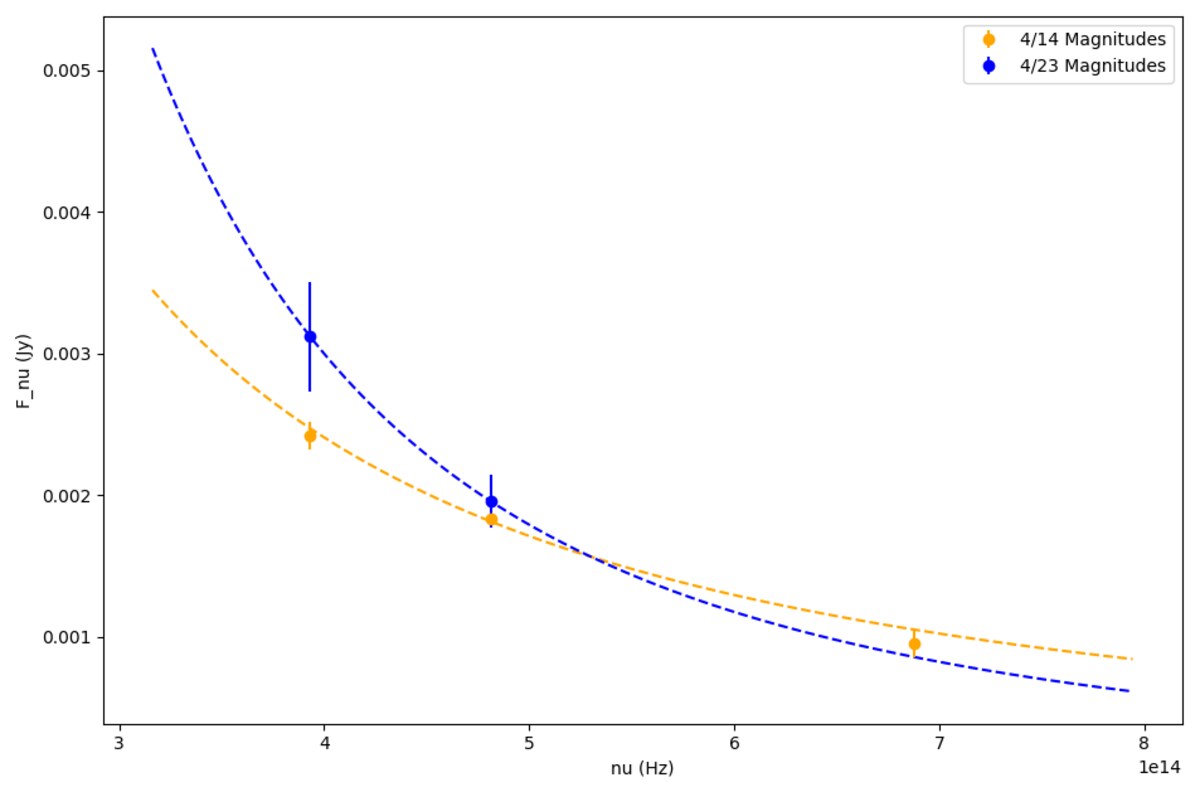
$ cat remote-observing-system.md
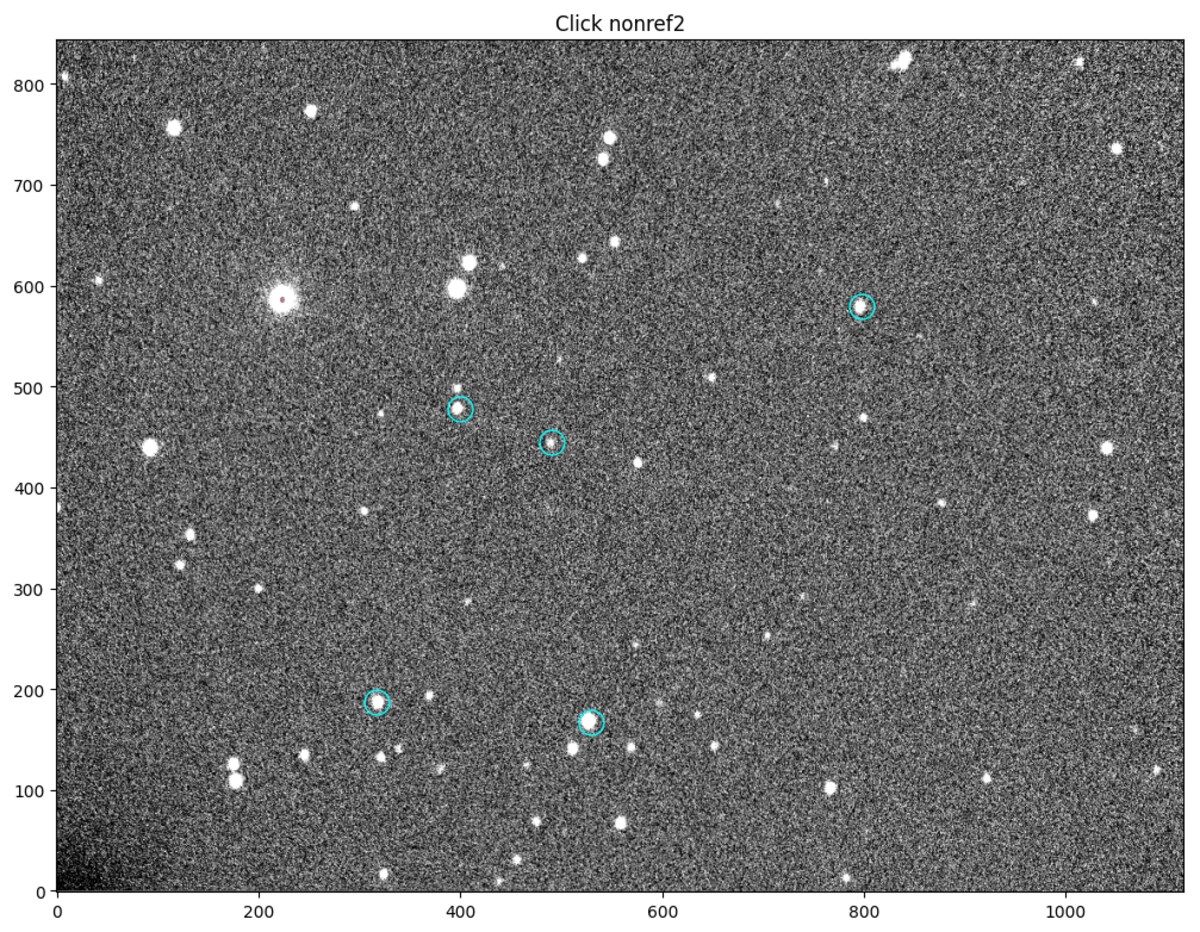
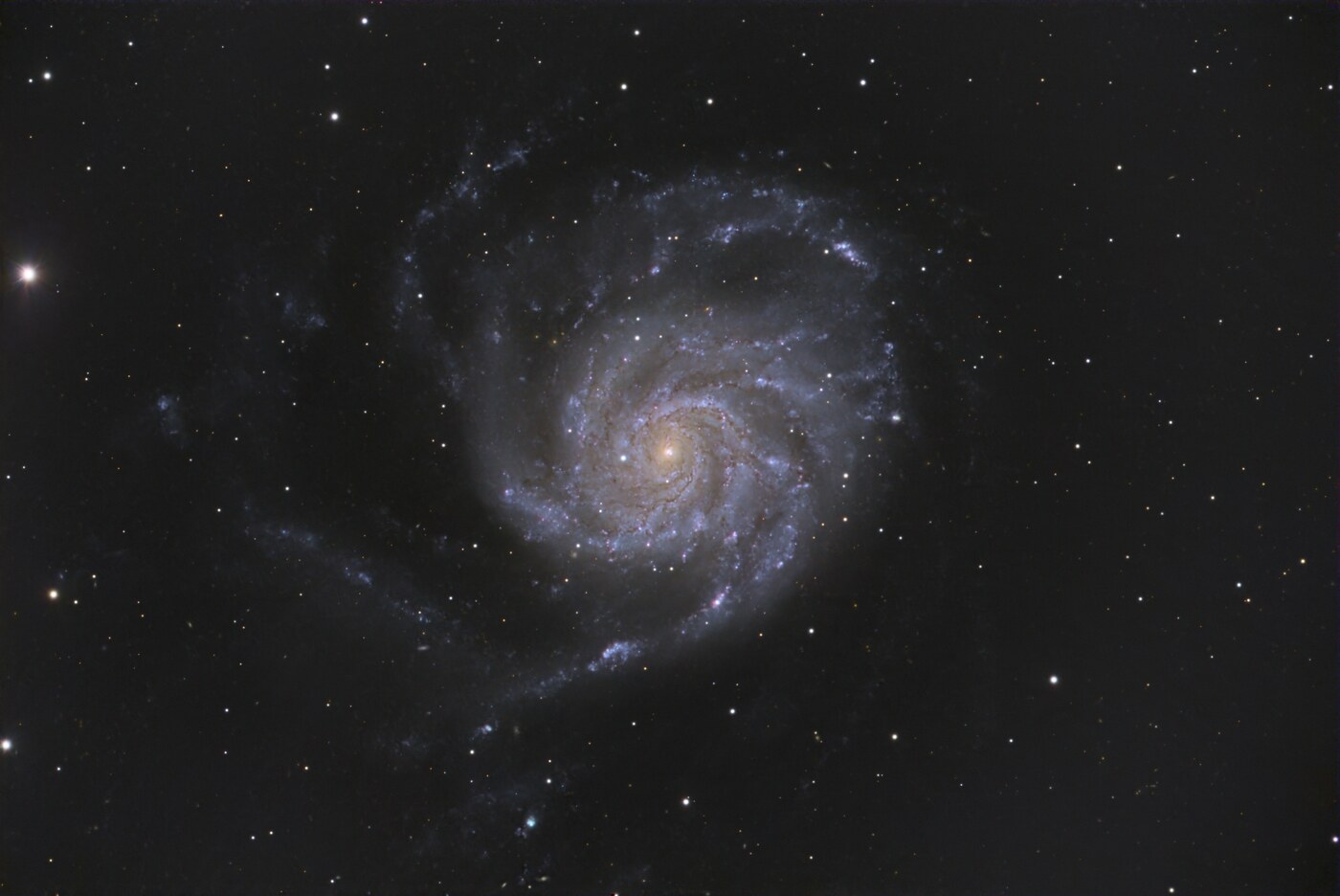
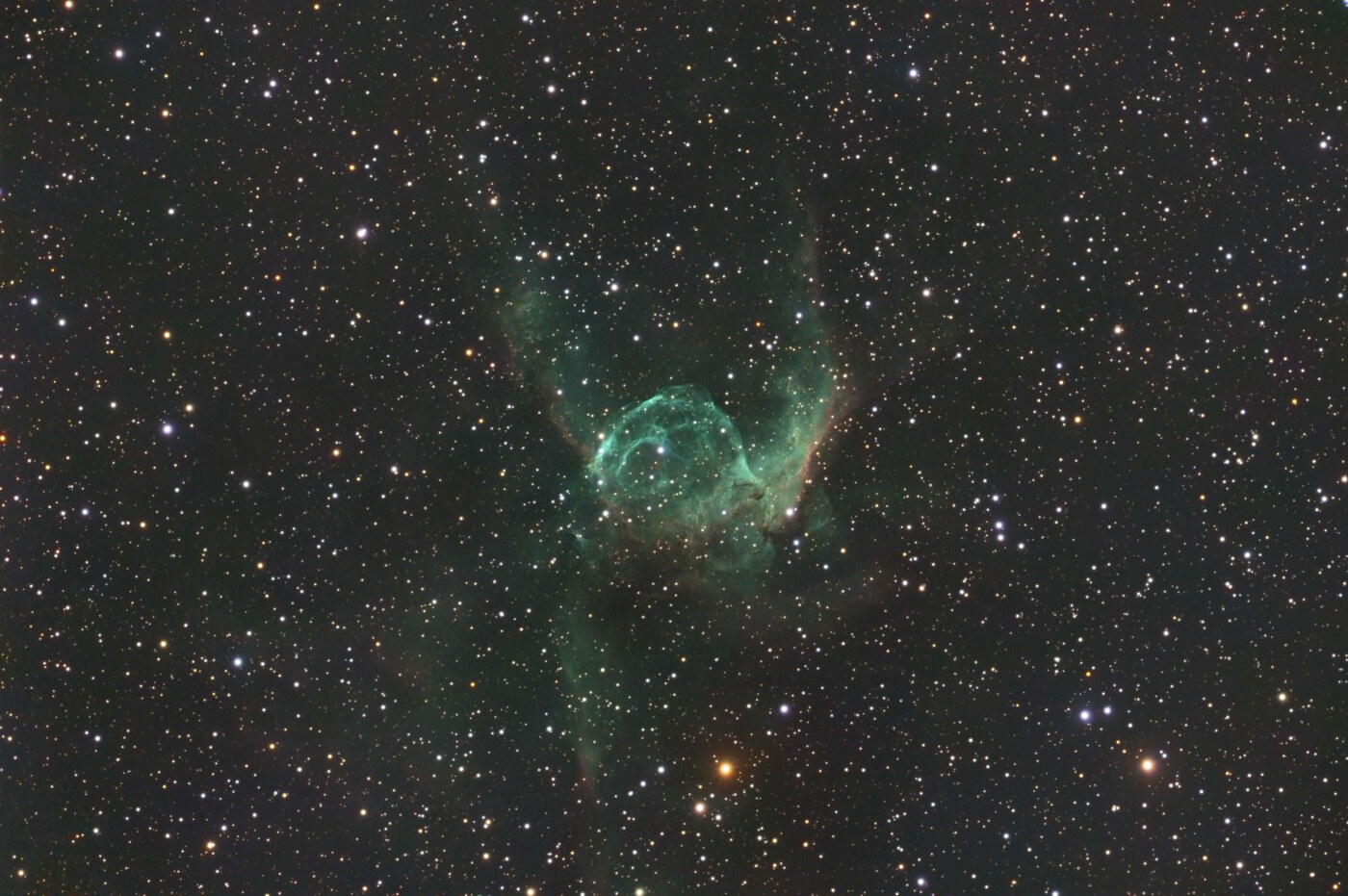
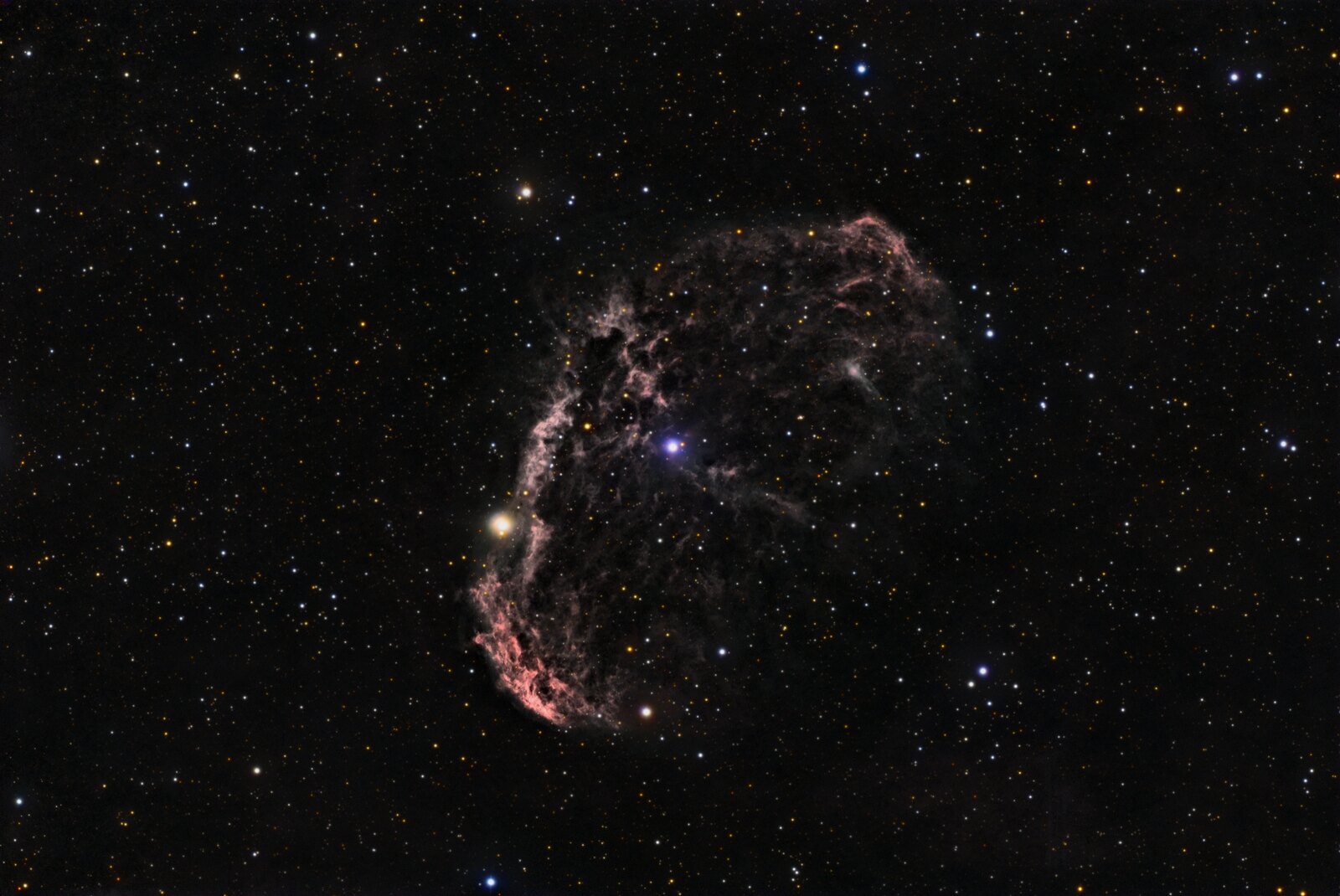
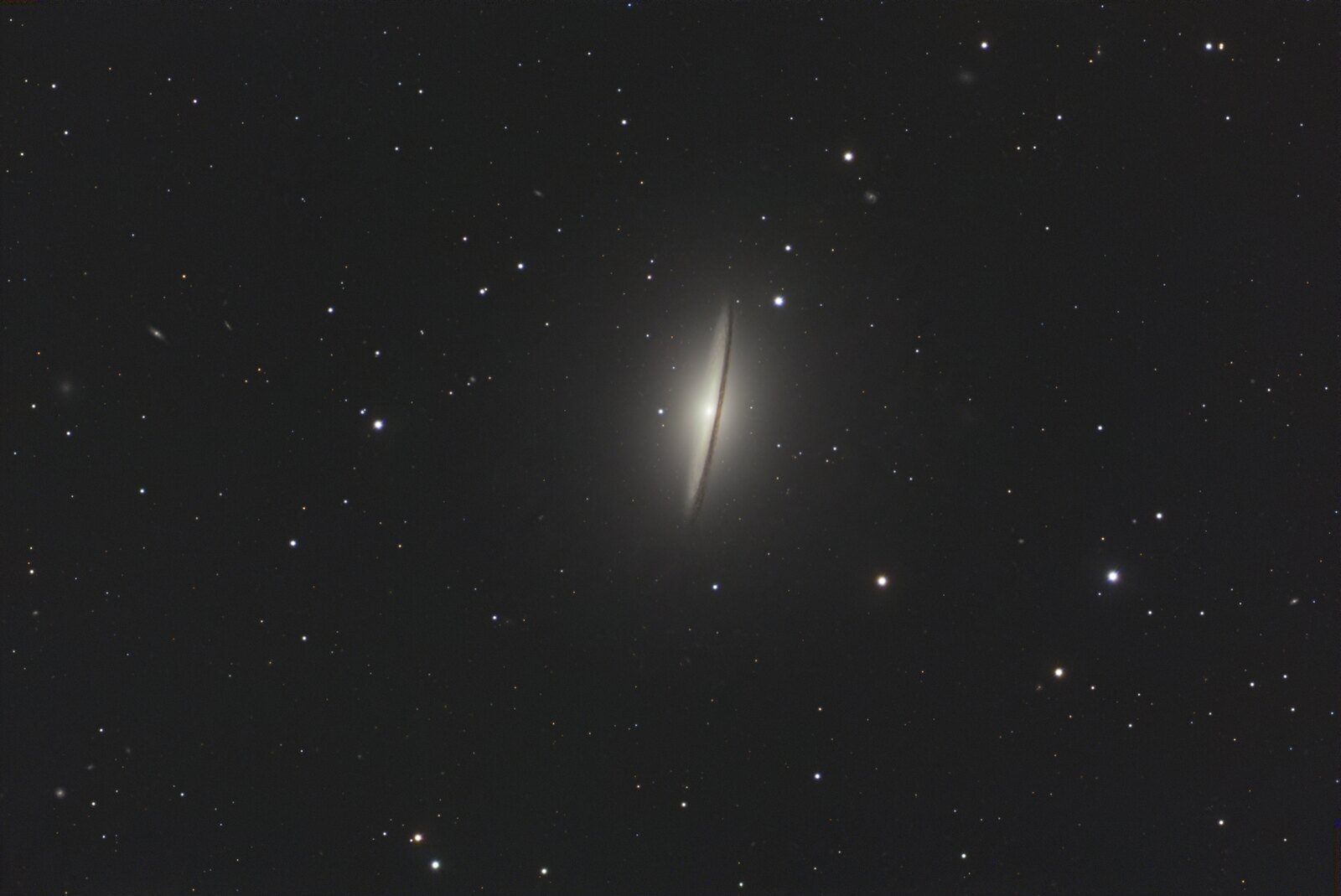
A custom observatory platform built around a Celestron EdgeHD 8" aplanatic SCT, ASI2600MM Pro monochrome camera, and CGEM II equatorial mount, designed for unattended, fully remote operation. An onboard MeLE mini-PC, Pegasus power distribution unit, and dedicated WiFi access point allow the entire system to be controlled via RDP from any network; a 50Ah LiFePO4 battery enables portable field use. Currently producing broadband and narrowband deep-sky imagery while being developed toward differential photometry contributions to the AAVSO variable star database.
$ cat shutterbug-spectrograph.md
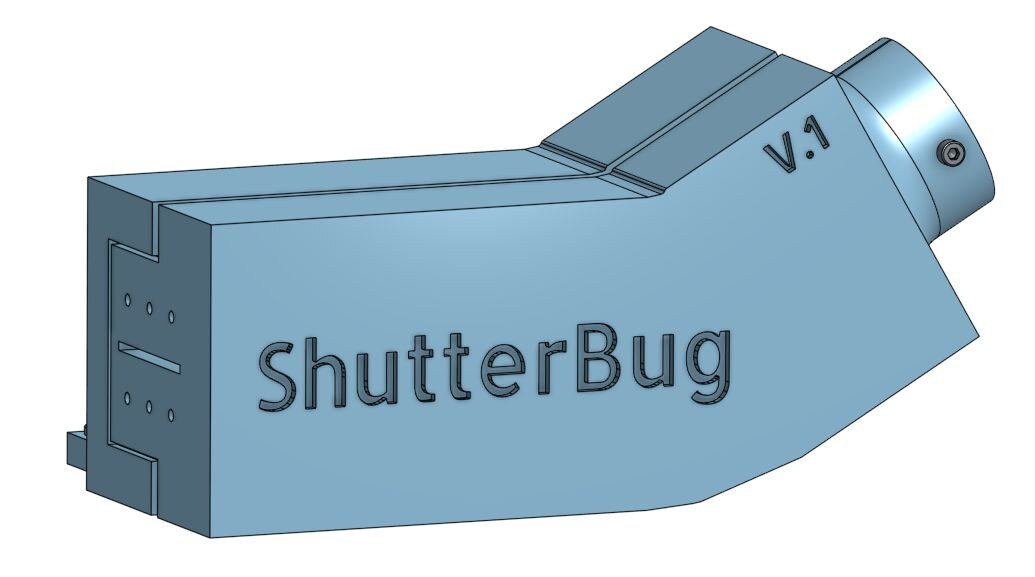
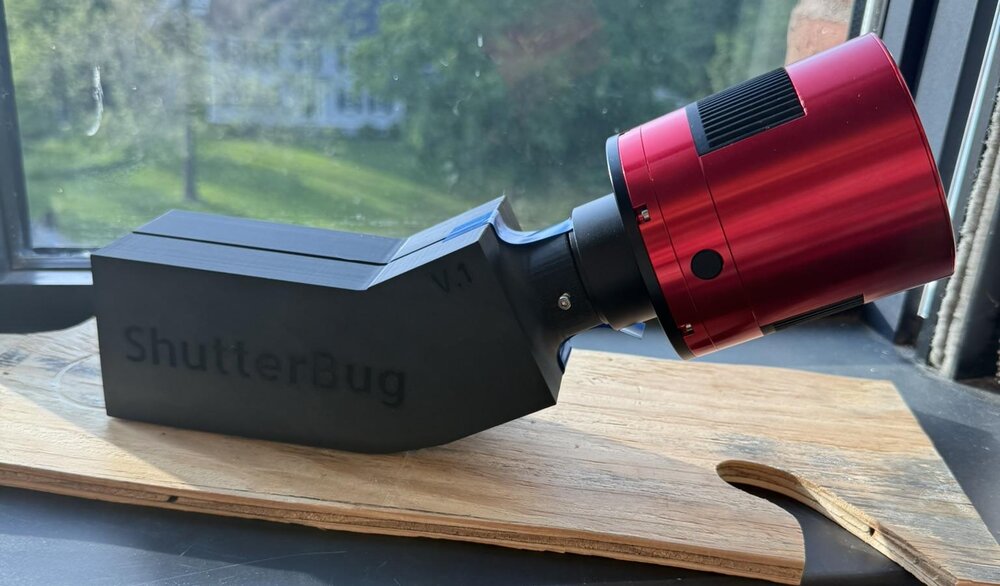
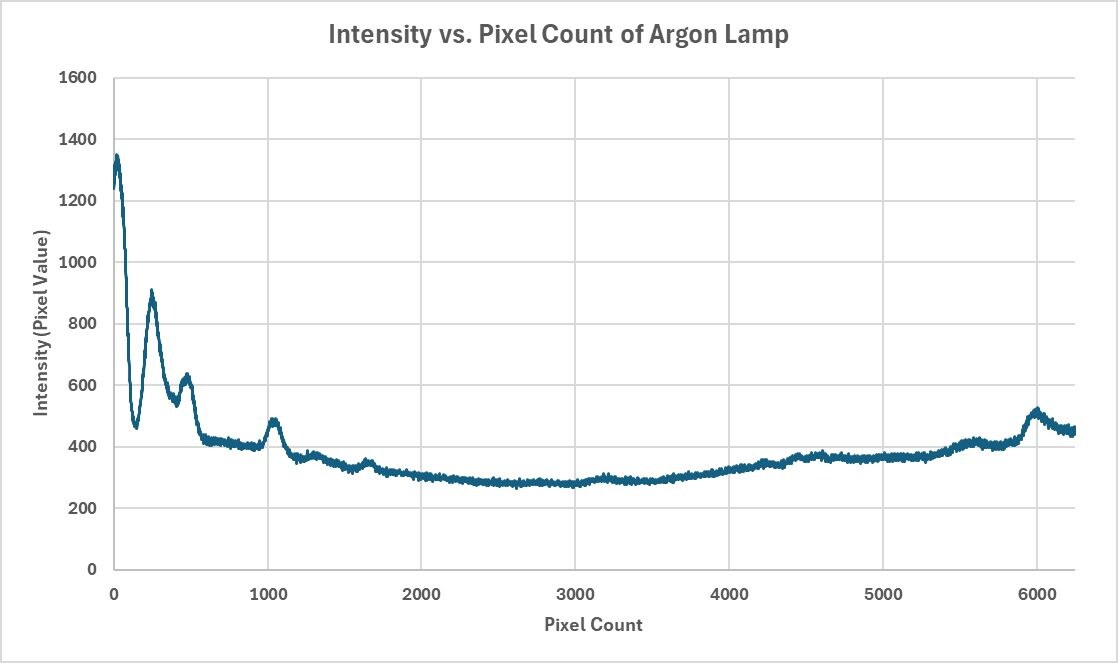
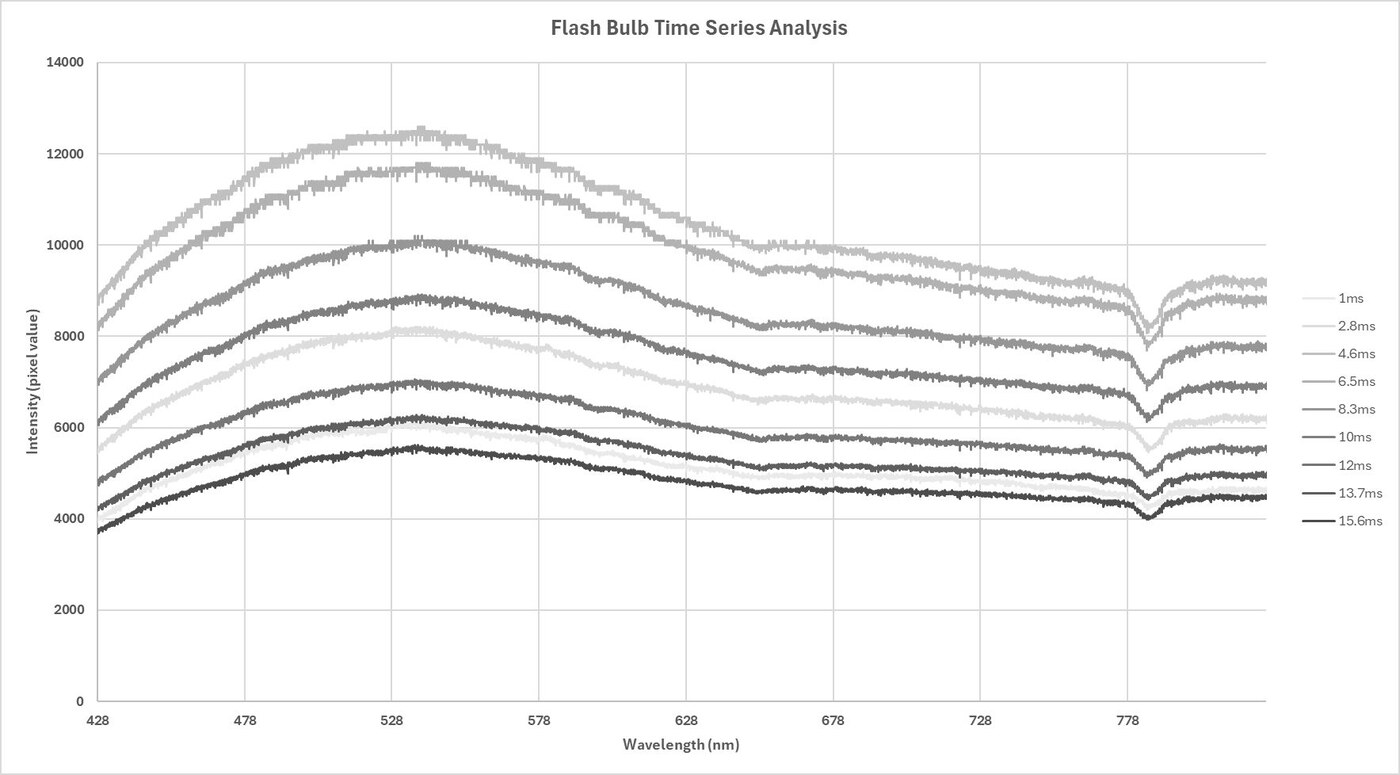
A self-designed transmissive-grating spectrograph, named ShutterBug for its original purpose: capturing time-series spectra of antique flash bulbs at millisecond cadence. The V.1 instrument was modeled in Onshape, 3D-printed, and calibrated against an argon emission lamp; it measured flash bulb emission temperatures to within 0.5% of accepted values. A redesigned version is currently in development, incorporating a precision-machined slit and improved diffraction grating to achieve mid-range spectral resolution suitable for stellar emission line analysis.
$ cat m44-distance-gaia.md
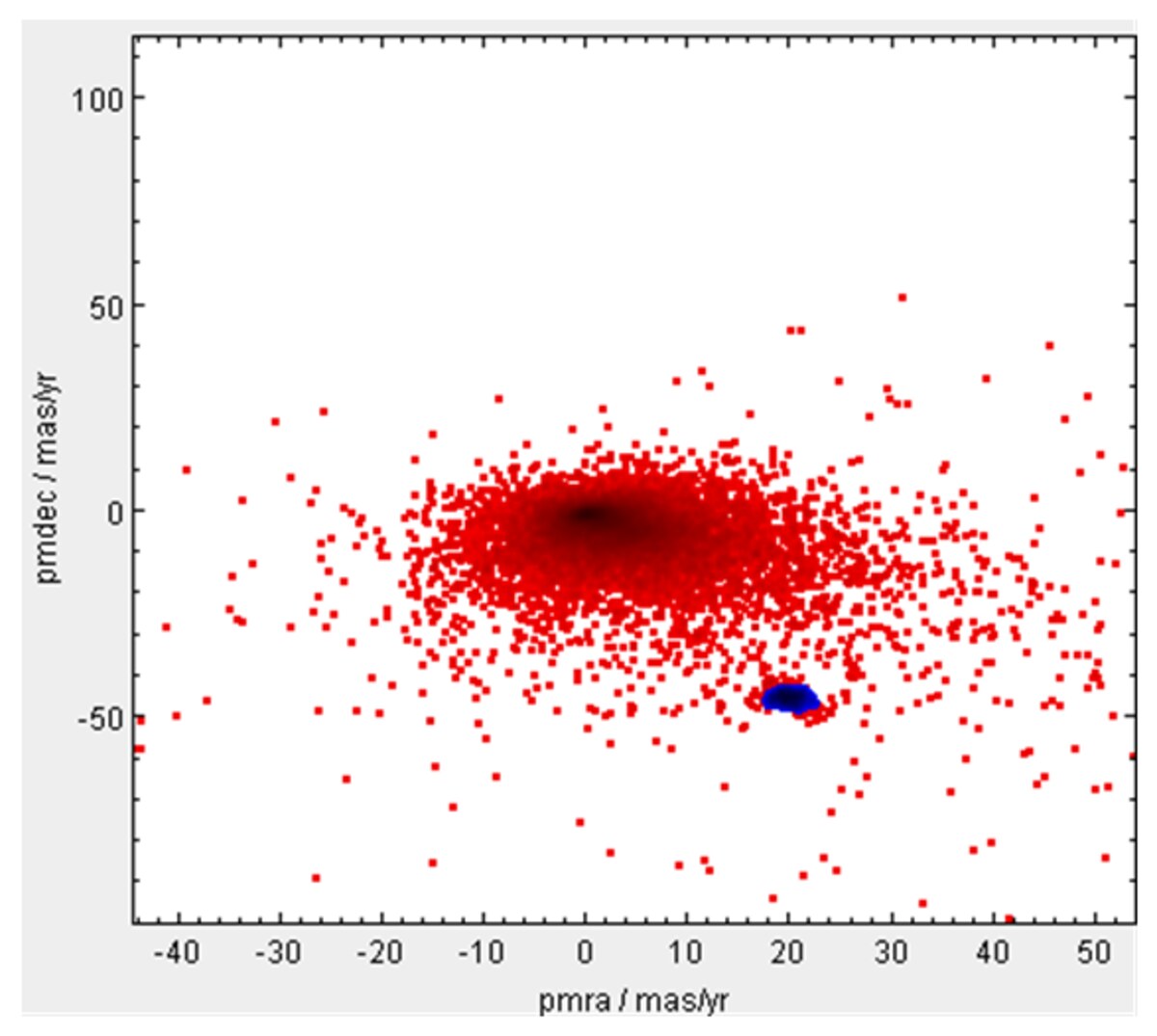
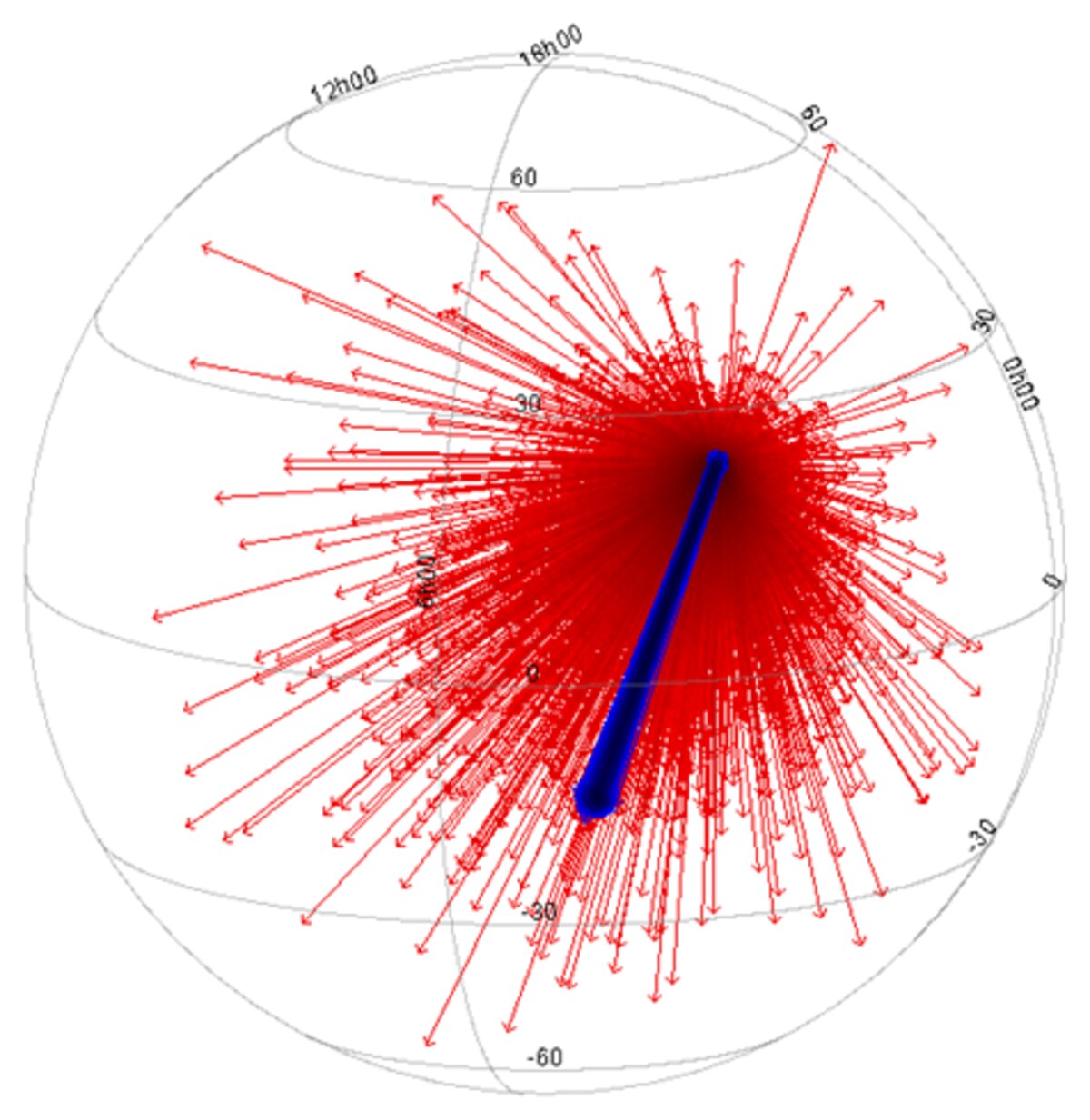
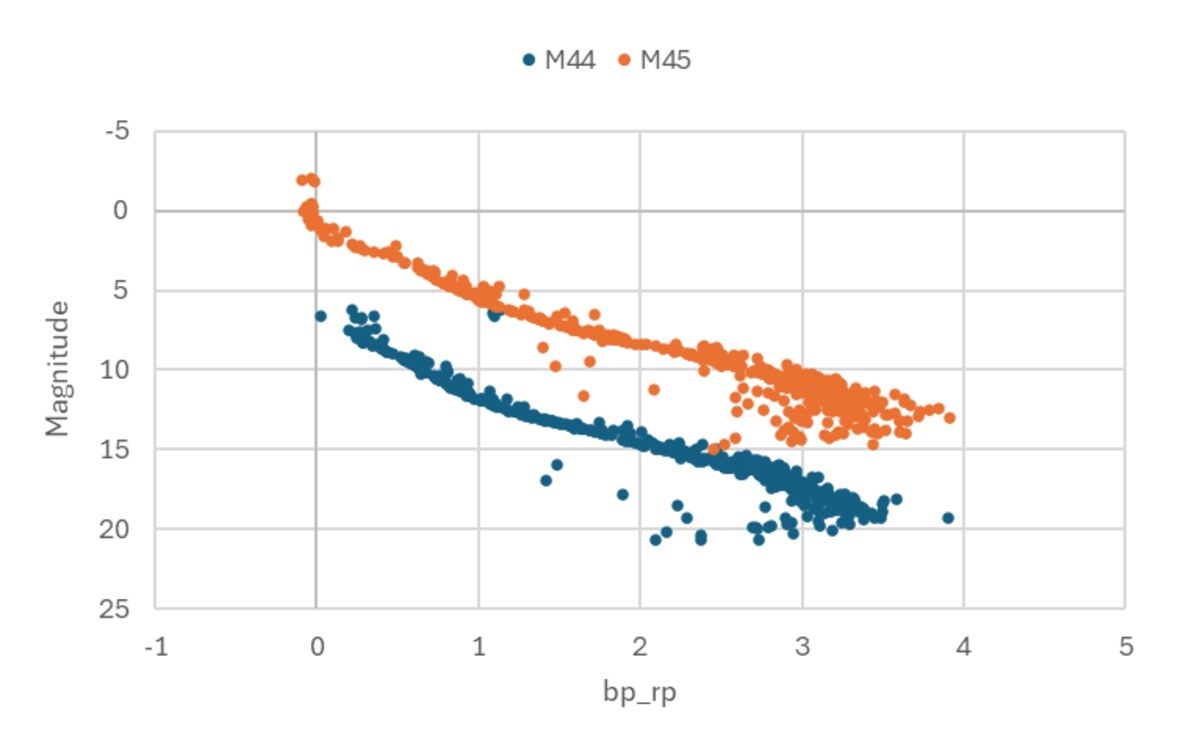
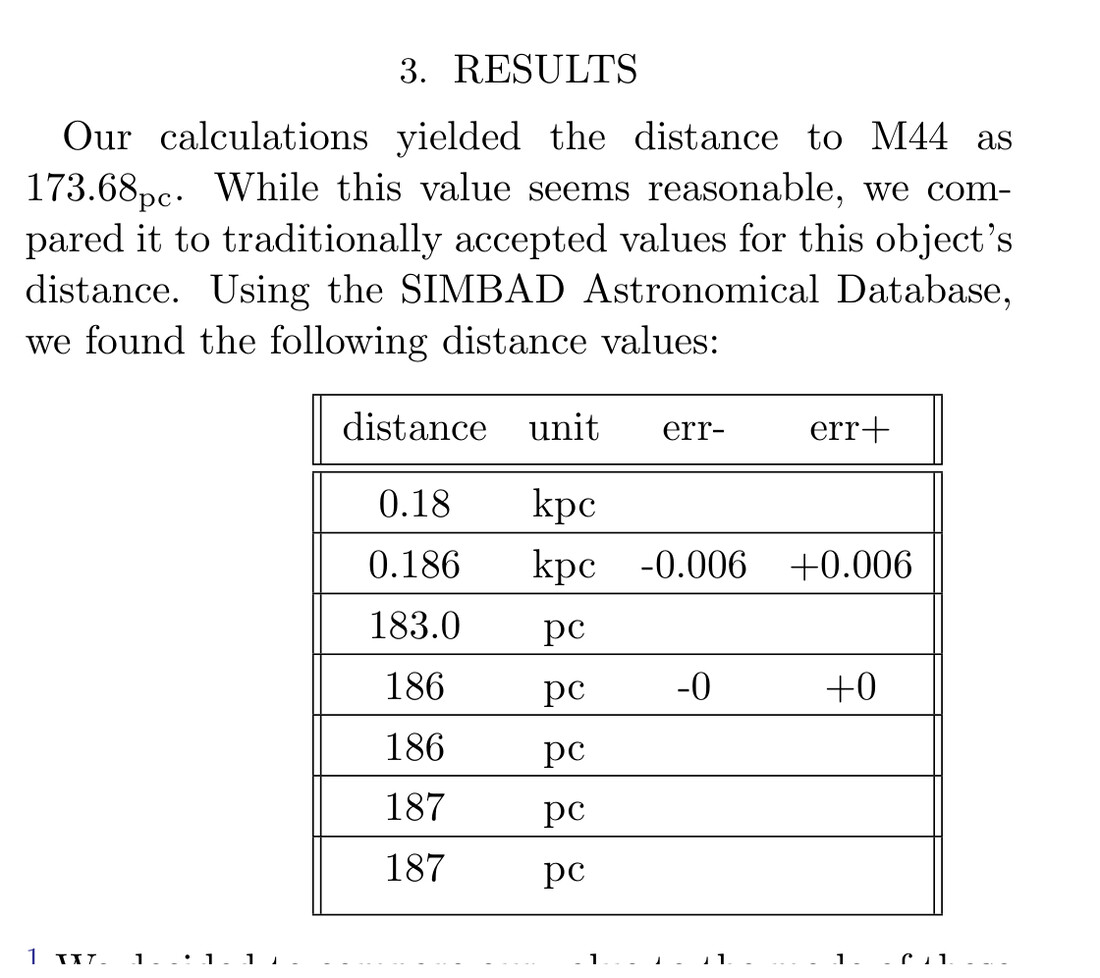
Extracted stellar photometry from the GAIA EDR3 catalog using TOPCAT to construct color-magnitude diagrams of the M44 open cluster. Applied distance modulus fitting and polynomial regression to calculate M44's distance at 173.7 pc, within 6.2% of the accepted value, and validated results against the SIMBAD database. Formatted as a short research paper in AASTeX and deposited on Zenodo.
$ cd ~/dev/projects/security_and_systems
4 projects
$ cat traffic-fingerprinting.md
In progress · independent research
How much can an observer between a user and their VPN server learn from encrypted traffic? Building on website fingerprinting (WF) research, I'm using new "System One" AI models to imitate casual human browsing across categories of websites. Six virtual machines, each on its own WireGuard tunnel, browse under Playwright; the captured traffic trains a 1D CNN to label each stretch of encrypted traffic by category, tested against real human browsing sessions. A write-up and public code repository will follow.
$ cat home-lab.md
An isolated virtual lab on KVM/QEMU that simulates a small network: an OPNsense firewall, a Kali Linux attacker, and Windows 11 and Debian/Nextcloud targets. I carried out a session-cookie hijacking attack end to end against the self-hosted Nextcloud instance, and I'm now deploying the Wazuh SIEM to build and validate detections for the attacks I simulate.
$ cat kinetics-platform.md
Lyle Contracting Solutions, Inc. — in production at kinetics.tools
A project management platform built from scratch for my family's subcontracting construction business, developed alongside one other employee over three months and now in daily field use — replacing commercial software that cost roughly $18,000 per year. The web app covers timesheets, T&M tickets, daily logs, change orders, budgets, drawings, and reporting with QuickBooks export; a companion mobile app works fully offline in the field through a self-hosted sync layer backed by a central PostgreSQL database. My role centered on system architecture, database design, and testing, with implementation heavily leveraging agentic AI tooling — an approach that let a small business replace expensive SaaS with carefully built in-house software.
lcs_inc We did it! After years of struggling with overpriced construction management software that wasn’t built for us, we went and built our own. Using Claude Code and other AI tools, we were able to build and launch custom software specifically for our needs.
Just a few years ago something like this would have taken a team of developers years to build and deploy, which made it an impossible option for the average company. Using advanced tools and techniques, we were able to build our platform, from conception to deployment, in less than 3 months. Here are a few of the cutting-edge features that we were able to roll into the software platform:
- Custom-built application designed by our field and office teams
- AI-assisted chat interface for daily log and timecard entry
- Fleet-integrated GPS maps that show management/asset locations
- Web, iOS, and Android applications
- Offline data and image sync
- Fully integrated drawing system with custom markup
- Improved T&M, Change Order, and Budget/Materials tracking
- 100% configurable and filterable daily tracking and reports
The world has changed – AI has brought new possibilities for us to make our company faster, more efficient, and more responsive.
$ cat office-infrastructure.md
Lyle Contracting Solutions, Inc.
Designed and deployed the company's on-premises IT infrastructure: a FortiGate perimeter firewall, a Debian server with mirrored ZFS storage and encrypted offsite backups, managed switching and UPS power protection, least-privilege remote access to administrative and accounting systems restricted to allowlisted users and devices through WireGuard and nftables, and a self-hosted monitoring and logging stack. The same server hosts the sync backend for the Kinetics mobile app. I continue to run IT and maintenance for the system remotely, with weekly diagnostics and upkeep through self-hosted monitoring dashboards.
$ cd ~/dev/projects/research_computing
1 project
$ cat gqhacks.md
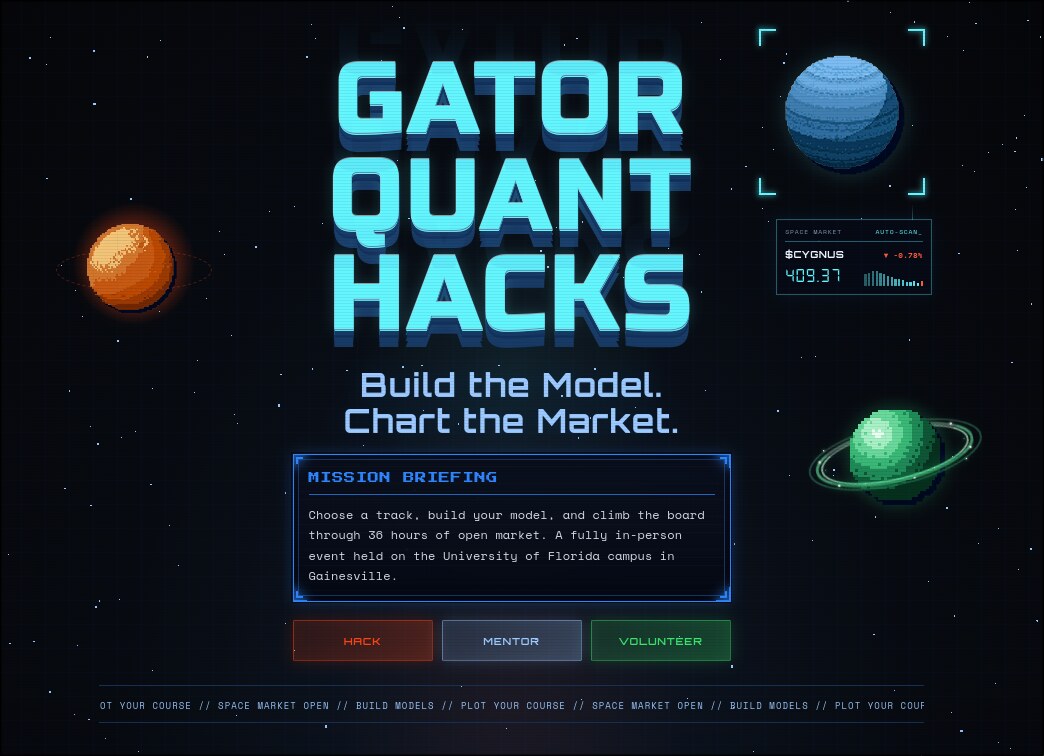
Gator Quant Hacks Hackathon 2026
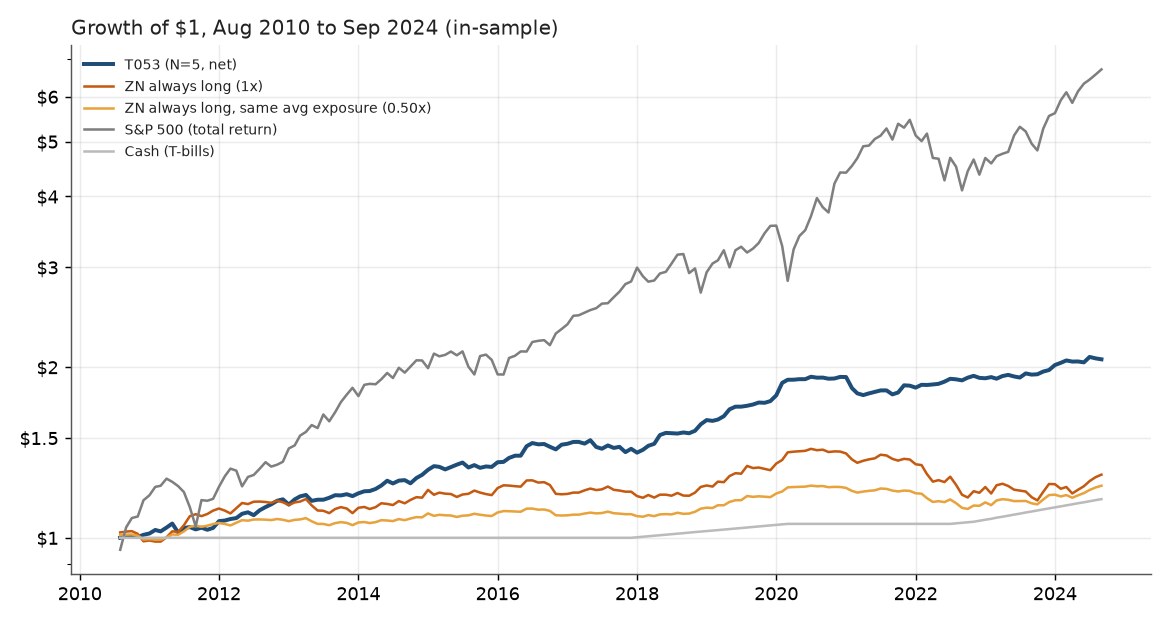
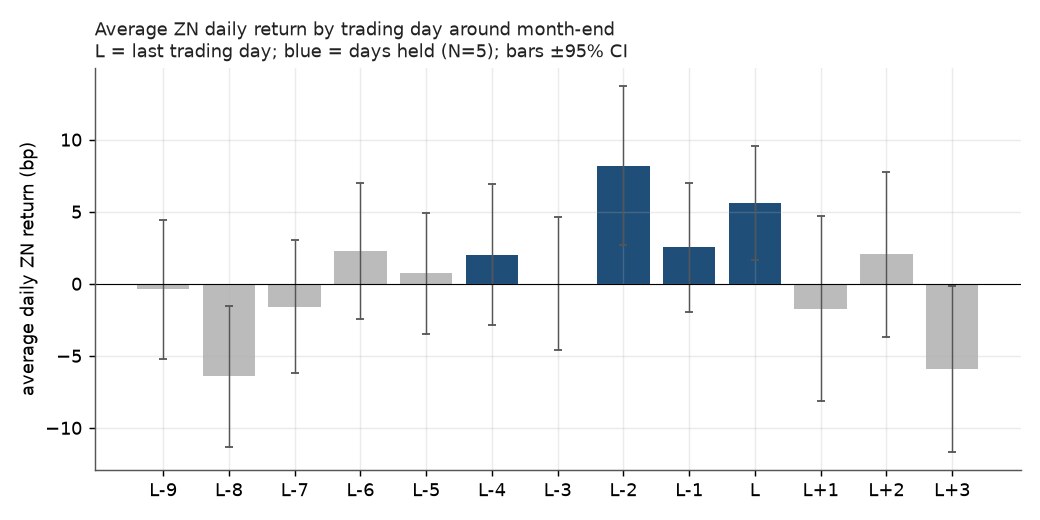
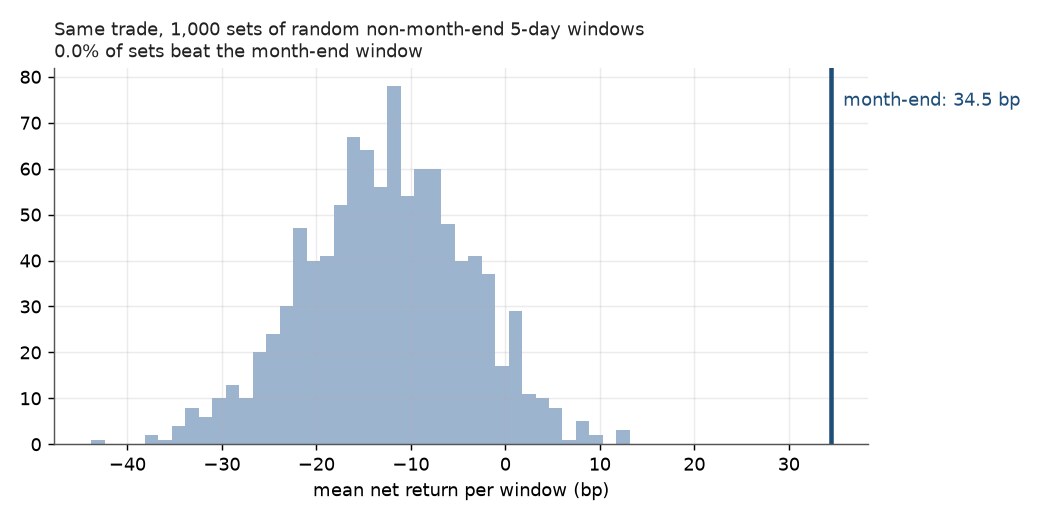
Built, tested, and validated a month-end treasury futures systematic trading pipeline as part of the 2026 Gator Quant Hacks Hackathon. Along with a teammate, we leveraged AI tools to build edge-detection pipelines and validation scripts to identify market edges and run backtests to obtain statistics and Sharpe ratios. Our final submission utilized tendencies of bond index funds discovered by Hartley and Schwarz (2019), however, our ideal market edge was a much more complex (but interesting) hypothesis. In theory, the ionization of the lower atmosphere caused by strong solar activity causes temporary "knock outs" of HF radio bands, the same wavelengths used to transfer market prices and information over the Atlantic. The theory was that by predicting solar activity using NOAA and NASA data, we could correlate solar flares with momentary disconnects of these information routes allowing for micro-arbitrage for the firms trading off the fastest alternatives (oceanic fiber). We tested this theory heavily, and found some correlation. However, the depth of this analysis was outside the scope of our competition window so future work on this matter is required.
$ cd ~/dev/projects/engineering
2 projects
$ cat model-rocketry.md
Built and launched model rockets independently and as part of Phillips Exeter Academy's rocketry team, contributing to design, testing, and launch preparation over two years. Applied CAD modeling and OpenRocket flight simulations to support performance optimization.
$ cat mate-rov.md
Served as mechanical branch lead for Phillips Exeter Academy's MATE ROV competition team, overseeing design and fabrication of key subsystems including the manipulator claw. The team advanced from regional competition to the international level, placing 6th.
murexrobotics.com ↗